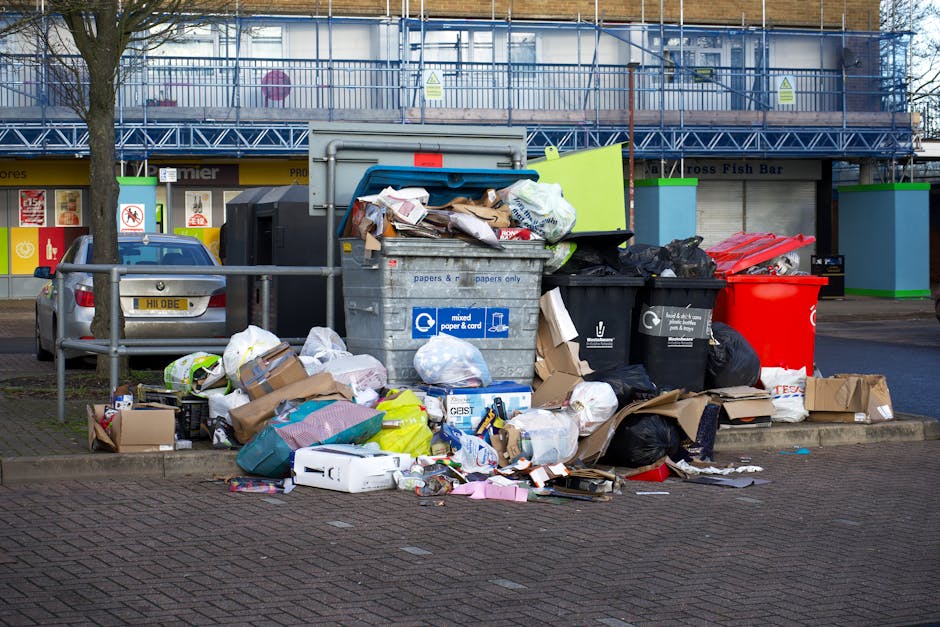
Avoid fly-tipping when clearing waste in Teddington
If you are clearing waste in Teddington, the last thing you want is for a straightforward job to turn into a fly-tipping problem. It happens more easily than most people think: a van loads up quickly, bags get mixed, paperwork is missing, and suddenly responsibility is unclear. To be fair, most people are not trying to cut corners. They just want the rubbish gone without hassle.
This guide explains how to avoid fly-tipping when clearing waste in Teddington, what good waste handling looks like, and how to make sensible choices that protect you, your property, and the local area. You will also find practical steps, common mistakes, and a simple checklist you can use before anything leaves the driveway, office, or garage. No fluff. Just useful guidance that helps you do it properly.
Table of Contents
- Why avoiding fly-tipping matters
- How proper waste clearing works
- Key benefits and practical advantages
- Who this is for and when it makes sense
- Step-by-step guidance
- Expert tips for better results
- Common mistakes to avoid
- Tools, resources and recommendations
- Law, compliance and best practice
- Options, methods and comparison table
- Case study or real-world example
- Practical checklist
- Conclusion
- Frequently asked questions
Why Avoid fly-tipping when clearing waste in Teddington Matters
Fly-tipping is not just an eyesore. It can create safety risks, trigger complaints, damage local streets and back lanes, and leave the wrong person dealing with the mess. In a place like Teddington, where homes, offices, shops, and shared access routes sit close together, waste has a way of becoming everyone's problem if it is not handled correctly.
The biggest issue is accountability. If waste is passed to someone who is not licensed, not insured, or simply not trustworthy, the original owner of the waste may still be asked to explain what happened. That is the bit people often miss. The job feels finished when the van drives away, but responsibility does not always disappear with it.
There is also a reputational side. If you are a landlord, business owner, facilities manager, or office tenant, poor waste handling can make a property look neglected. One overflowing pile in the wrong place and, well, people notice. The street notices. Neighbours notice. Staff notice too.
Good waste clearing is about more than removing clutter. It is about doing it in a way that is traceable, tidy, and legitimate. That is why planning matters before anything is lifted, bagged, or loaded.
Practical takeaway: if you cannot explain who is taking the waste, where it is going, and how it will be handled, you are not ready to hand it over yet.
How Avoid fly-tipping when clearing waste in Teddington Works
The process is simple in principle, though the details matter. First, the waste needs to be identified. Mixed office rubbish, broken furniture, electrical items, cardboard, renovation waste, and confidential materials all need different handling. Then it should be separated, loaded properly, and passed only to a responsible operator who can deal with it lawfully.
In a proper clearance, the waste carrier should be clear about what they collect, how they transport it, and what happens next. If you are dealing with a reputable local service, that should include straightforward communication, sensible scheduling, and clear pricing. You should not be guessing what is included.
From a practical point of view, avoiding fly-tipping usually comes down to five things:
- keeping waste under your control until collection is arranged
- checking the collector is suitable for the type of waste
- separating reusable, recyclable, and specialist items
- making sure access points are safe and clear
- keeping written records and receipts where appropriate
A lot of problems start when people rush. A rushed clearance tends to be a messy clearance, and messy clearances can lead to waste being dumped in the wrong place. Not always, but often enough that it is worth slowing down for ten minutes and getting things right.
If you want a better starting point, it helps to review the company's background and service approach and check its health and safety policy before booking. That gives you a clearer sense of whether the operator is set up to work properly, not just quickly.
Key Benefits and Practical Advantages
Doing waste clearance properly is not just about avoiding trouble. It makes the whole job smoother. The obvious benefit is reducing the risk of fly-tipping, but the knock-on effects are just as useful.
Here is what good practice gives you:
- Less risk and less stress - you know who is handling the waste and where it is going.
- Cleaner premises - no lingering piles in communal areas, front gardens, loading bays, or alleyways.
- Better compliance - useful when you need to show that the waste was handled responsibly.
- Improved recycling outcomes - more materials can be separated rather than treated as mixed rubbish.
- Smoother scheduling - clear collections are easier to plan around tenants, staff, or visitors.
- Fewer disputes - written terms and clear pricing reduce the usual back-and-forth.
There is also a quieter advantage: peace of mind. You do not want to be standing in the hall at 7:30 on a wet Tuesday, wondering whether the stuff in the skip or van is going to end up somewhere it should not. That kind of uncertainty is avoidable.
For many people, choosing a service that is transparent about disposal and recycling is a simple way to make the process feel much more controlled. If sustainability matters to you, look closely at the company's recycling and sustainability commitments as part of the decision, not as an afterthought.
Who This Is For and When It Makes Sense
This topic is relevant to more people than you might expect. Fly-tipping risk is not limited to big building jobs or full house clearances. It can crop up during small, ordinary clear-outs too.
You may need this guidance if you are:
- clearing an office, studio, or shared workspace
- emptying a flat, garage, loft, or garden store
- managing landlord voids or end-of-tenancy waste
- disposing of old desks, chairs, shelving, or archive materials
- handling bulky items that will not fit in normal household bins
- sorting mixed waste after refurbishment or strip-out work
- trying to avoid illegal dumping after a quick clean-up
It also makes sense if you are under time pressure. In our experience, most waste mistakes happen when someone needs a property cleared by a deadline and feels tempted by the cheapest or fastest option. That is exactly when you want to slow down a little, not speed up.
Businesses in particular should be careful. Office clearances can involve confidential paper, old electronics, packaging, and fittings all in the same space. That mix is where errors happen. If you are dealing with business waste, it is worth reading the site's terms and conditions so you understand service scope, responsibilities, and any exclusions before the work begins.
Step-by-Step Guidance
If you want to avoid fly-tipping when clearing waste in Teddington, a structured process makes a big difference. Here is a straightforward way to approach it.
- Sort everything before collection day. Separate bulky items, recyclables, confidential waste, electricals, and anything that might need special handling.
- List what needs removing. A quick written list stops last-minute surprises and helps with pricing.
- Check access. Think about stairways, parking, loading points, narrow entrances, and whether anything could block neighbours or the pavement.
- Confirm the collection method. Make sure you know whether the waste is being removed in a van, a vehicle with loaders, or another approved setup.
- Ask about disposal and recycling. A responsible operator should be able to explain how different waste streams are handled.
- Review the quote carefully. Make sure the price includes the actual job, not just a vague starting point.
- Keep records. Hold on to invoices, job notes, and any supporting paperwork that shows who removed the waste.
- Inspect the area afterwards. Check for stray packaging, broken pieces, nails, or anything left behind. Tiny bits matter too.
If the waste includes office chairs, monitors, printers, or other electrical items, be extra careful. These can create issues if they are dumped with general rubbish. It is better to ask questions before collection than to sort out a mess later.
A useful habit is to pause at the end and ask, "Would I be comfortable explaining this clearance to a landlord, client, or local officer?" If the answer is no, something still needs tightening up. Simple as that.
Expert Tips for Better Results
Small adjustments often prevent the biggest headaches. Here are the details people with experience tend to look at first.
Separate waste streams early
Mixed waste is harder to manage responsibly. Cardboard, metal, timber, general rubbish, and electrical items all follow different disposal routes. The cleaner the segregation, the lower the risk of something being mishandled.
Choose clarity over speed
If a quote sounds too broad, ask what happens to each category of waste. Vague language can hide problems. Clear wording is a good sign. So is a simple explanation without jargon.
Check insurance and safety standards
Any clearance involving lifting, loading, shared premises, or heavy items should be handled with proper care. Review the operator's insurance and safety information so you are not relying on assumptions.
Think about neighbours and shared spaces
In residential streets and mixed-use properties, one blocked entrance or noisy late-night load can create friction quickly. A polite, tidy, daytime collection tends to go down much better. Truth be told, people remember how a job felt just as much as whether it was completed.
Ask what happens to reusable items
Not everything has to be treated as rubbish. Some furniture, fittings, or materials may be suitable for reuse or recycling if they are in decent condition. Even if you do not need that service, asking the question is a good sign that the operator thinks carefully about disposal.
Common Mistakes to Avoid
A lot of fly-tipping problems start with ordinary mistakes rather than bad intentions. That is what makes them annoying. They are easy to avoid once you know what to look for.
- Handing waste to an unknown collector just because the price sounds low.
- Leaving mixed waste on the pavement or in communal areas overnight or between collection stages.
- Assuming all rubbish can be thrown together without separation.
- Not checking the final disposal route or asking basic questions about what happens next.
- Ignoring paperwork because the job feels small.
- Overloading a collection point so the waste spills, blows about, or becomes unsafe.
- Forgetting about confidential material in office and commercial clearances.
The smallest oversight can become the biggest headache. A bag left half open in the rain, a box of loose paperwork in the wrong pile, a broken chair on the kerb for "just an hour" - that sort of thing. It adds up.
If there is any doubt, stop and ask for clarification. If the response is evasive, that is useful information in itself.
Tools, Resources and Recommendations
You do not need a complicated toolkit to avoid fly-tipping when clearing waste in Teddington, but a few practical items and habits make the job far easier.
- Clear labels or marker pens for sorting waste categories.
- Heavy-duty sacks or boxes to reduce spills and breakages.
- Basic inventory notes so you know what has been removed.
- A camera on your phone for before-and-after photos if needed.
- Access notes for parking, gate codes, lift use, or timing restrictions.
- A copy of the quote and job notes kept in one place.
For service information, pricing, and next-step planning, the most useful pages are usually the ones that explain how the company works rather than just what it removes. You can start with pricing and quotes if you want a clearer picture of the commercial side, and contact options if you need to discuss a specific job.
If access or customer information matters, it is also sensible to review the company's accessibility statement and privacy policy. They help show how the business handles communication and personal data, which matters more than people think when you are arranging a clearance.
Law, Compliance, Standards, or Best Practice
Waste handling in the UK is regulated, and while every job is different, the general expectation is simple: waste should be passed only to someone who can handle it properly, and it should not be dumped, abandoned, or misdescribed. If you are the person arranging the clearance, you should take reasonable care over who you hire and how the waste is transferred.
The safest approach is to treat documentation as part of the job, not an optional extra. Receipts, service notes, invoices, and transfer records can help show that you acted responsibly. That matters if questions arise later. It is one of those boring admin things that feels irrelevant right up until it is suddenly very relevant.
Best practice also means checking that specialist items are handled correctly. Examples include:
- electrical equipment and IT hardware
- items that may contain confidential information
- heavy furniture or awkward office fixtures
- mixed construction or strip-out waste
- anything with sharp edges, breakable parts, or contamination
Responsible operators should also have clear complaint and service processes. If that matters to you, it is worth noting the company's complaints procedure and payment and security information. That does not just protect the customer; it creates a more professional and predictable service overall.
Finally, if a provider mentions wider ethical standards, such as the modern slavery statement, that can be another sign of a business taking its responsibilities seriously across the board. Not every reader will focus on that, but it is part of the bigger trust picture.
Options, Methods, or Comparison Table
There is more than one way to clear waste, and the right choice depends on volume, type of waste, time pressure, and how much control you want over the process. Here is a simple comparison.
| Method | Best for | Pros | Watch-outs |
|---|---|---|---|
| Self-clearance | Small, simple loads | Full control, useful for light household items | Time-consuming, easy to make disposal errors, travel and access issues |
| Skip hire | Longer projects or repeated loading | Convenient for ongoing work, good for bulky mixed waste | Needs space, may attract misuse if left unattended, sorting still matters |
| Professional waste clearance | Office, property, or bulky clearance jobs | Faster, usually easier to manage responsibly, less lifting for you | Quality varies, so due diligence is essential |
| Specialist handling for specific items | Electricals, confidential waste, awkward materials | Better protection for sensitive or regulated items | May require advance planning and clearer instructions |
For most people in Teddington dealing with more than a bag or two, a professional clearance approach is often the least stressful option. The key is choosing a provider that is transparent and careful, not just available immediately.
Case Study or Real-World Example
Imagine a small office near the centre of Teddington clearing out after a lease change. There are old desks, broken chairs, cardboard packaging, filing cabinets, and several boxes of archive paperwork. A staff member wants it gone quickly and finds a cheap collector who says they can take everything the next morning.
Before booking, the office manager pauses and sorts the items into clear piles. Paperwork is separated from general rubbish. A couple of monitors are set aside as electricals. The collector is asked to explain how the waste will be processed, whether the load will be mixed, and what paperwork will be provided. The company also checks the provider's recycling approach and service details.
On collection day, the loading area is kept clear, access is easy, and the team finishes in one visit. There is no spill into the communal corridor, no abandoned packaging behind the bin store, and no awkward phone call later about waste appearing where it should not. The job is unremarkable in the best possible way.
That is what you want. Not a dramatic story. Not a headache. Just a neat, traceable, properly handled clearance that leaves the space ready for the next step.
Practical Checklist
Use this checklist before any clearance in Teddington. It is simple, but it catches a surprising number of problems.
- Have I listed everything that needs removing?
- Have I separated recyclables, electricals, and confidential items?
- Do I know who is collecting the waste?
- Have I checked the provider's service information and trust pages?
- Is the access route clear and safe?
- Do I know where the waste is likely to go next?
- Have I confirmed the price and what it includes?
- Will I get paperwork or a receipt after collection?
- Have I removed anything valuable, sensitive, or personal?
- Have I checked the site again after loading?
Quick reminder: a tidy handover is usually a safe handover. A rushed handover is where trouble likes to hide.
Conclusion
To avoid fly-tipping when clearing waste in Teddington, the main thing is simple: keep control of the waste until it is in the hands of someone you trust, and make sure that trust is based on clear information, not guesswork. Sort the load, ask sensible questions, check the paperwork, and choose a provider that takes disposal seriously.
Done properly, waste clearance is calm, tidy, and predictable. Done badly, it can become a messy legal and practical problem that no one wants to inherit. You do not need to overcomplicate it, but you do need to be a little careful. That small bit of care goes a long way.
If you are still comparing options, reviewing service details and trust information is a good next move. A clear, transparent provider will make the whole process feel much easier from the first conversation to the final sweep-up.
Get a free quote today and see how much you can save.
And if you do nothing else, remember this: the safest waste clearance is the one you can explain confidently afterwards. That peace of mind is worth a lot.
Frequently Asked Questions
What is fly-tipping in the context of waste clearance?
Fly-tipping is the illegal dumping or abandoning of waste ????? it should not be left. In a clearance context, it can happen when waste is handed to the wrong person, left in the wrong place, or disposed of without proper care.
How do I know if a waste collector is legitimate?
Look for clear service information, proper insurance, transparent pricing, and a straightforward explanation of how the waste is handled. If a provider cannot answer basic questions without dancing around them, that is a warning sign.
Can I be responsible if someone else fly-tips my waste?
Potentially, yes, depending on the circumstances. That is why it is so important to choose a trustworthy operator and keep records of the collection and disposal arrangement.
What kind of waste is most likely to cause problems?
Mixed waste, electrical items, confidential documents, and bulky furniture often create the most confusion. These are the items people rush through, and that is usually where mistakes begin.
Is skip hire safer than hiring a clearance team?
Not always. Skip hire can be useful, but it still requires careful loading and can be less controlled if left on-site. A professional clearance team may be better for speed, lifting, and disposal oversight, depending on the job.
Do I need paperwork for a small waste clearance?
It is wise to keep some kind of record even for smaller jobs. A receipt, invoice, or service note can help show that you arranged the waste responsibly. Small jobs can create big questions later, annoyingly enough.
What should I do with old office electronics?
Set them aside separately and make sure they are handled as electrical waste rather than general rubbish. That helps reduce contamination and makes recycling or processing much safer and cleaner.
How can I reduce the chance of waste being dumped near my property?
Do not leave waste out early, keep it secure until collection, and use a provider that explains exactly when and how they will collect it. The less time waste sits outside, the better.
What should a good waste clearance quote include?
A good quote should explain what is being removed, how the price is calculated, and whether loading, disposal, or recycling is included. If the quote feels vague, ask for clarity before agreeing.
Why does recycling matter when trying to avoid fly-tipping?
Because responsible recycling tends to go hand in hand with organised disposal. A provider that thinks carefully about recycling usually has a more structured process overall, which lowers the chance of waste being mishandled.
What if I am clearing waste from a rented property or office unit?
Check your tenancy, lease, or management requirements first, then keep your removal records. Shared buildings and managed premises often have extra rules about access, timing, and waste storage.
Where should I start if I need help arranging a clearance?
Start by listing the waste, checking the practical access, and reviewing the provider's service, pricing, and trust pages. If you need to speak with someone directly, the best next step is usually the contact page.