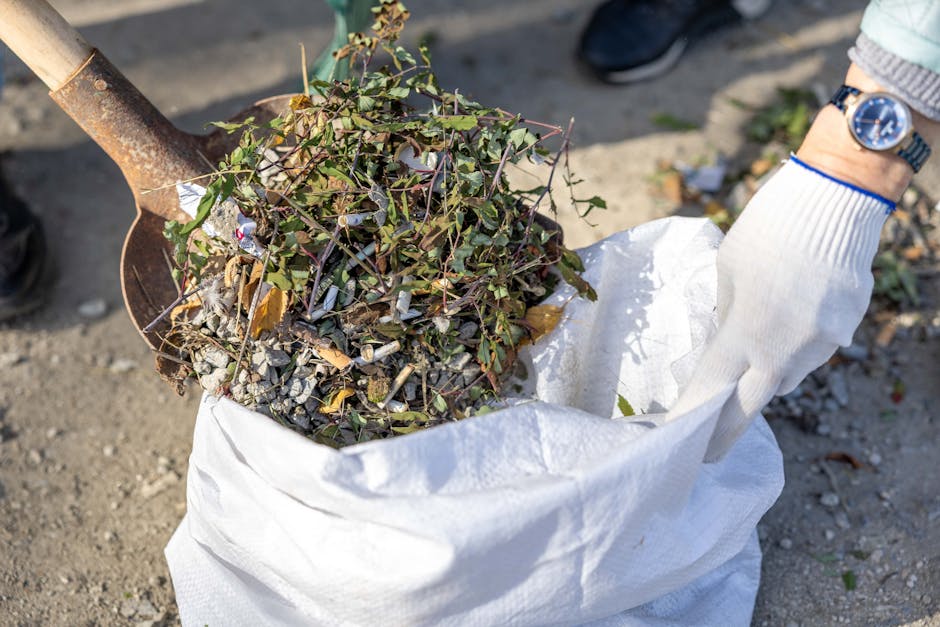
Queens Road garden rubbish clearance in Teddington
If your garden on or near Queens Road has started to feel more like a storage patch than an outdoor space, you are not alone. Broken fence panels, hedge cuttings, old pots, wet leaves, half-finished DIY bags, and that one rusty garden chair can build up faster than people expect. Queens Road garden rubbish clearance in Teddington is simply the practical, local way to get all of that removed quickly, safely, and without turning your weekend into a back-breaking ordeal.
Whether you are tidying after a big prune, getting ready to sell, or just trying to reclaim a bit of breathing room, the right clearance service can make the whole job feel manageable. In this guide, we will look at how garden rubbish clearance works, what to expect, what to avoid, and how to decide whether you need a one-off collection or a fuller clearance service. No fluff. Just the useful stuff, with a few local realities mixed in.
One thing people often underestimate? Garden waste is rarely just "green waste". It is usually a mixed pile, and mixed piles need a bit of judgement. That is where a proper, well-run clearance really earns its keep.
Table of Contents
- Why Queens Road garden rubbish clearance in Teddington Matters
- How Queens Road garden rubbish clearance in Teddington Works
- Key Benefits and Practical Advantages
- Who This Is For and When It Makes Sense
- Step-by-Step Guidance
- Expert Tips for Better Results
- Common Mistakes to Avoid
- Tools, Resources and Recommendations
- Law, Compliance, Standards, or Best Practice
- Options, Methods, or Comparison Table
- Case Study or Real-World Example
- Practical Checklist
- Conclusion
- Frequently Asked Questions
Why Queens Road garden rubbish clearance in Teddington Matters
Garden rubbish has a habit of sneaking up on you. A few bags of cuttings after a trim, a torn water butt, an old planter, some timber offcuts, and suddenly the whole outdoor space feels cluttered. On a residential street like Queens Road, where gardens are often used hard and maintained around busy family schedules, clearing waste promptly keeps everything tidy and usable.
There is also a practical side to it. Piles of damp vegetation can become slippery, attract pests, and make access awkward. Old timber, cracked pots, and metal scraps can be more than untidy; they can be unsafe. If you have children, pets, or elderly relatives visiting, the difference between a clear path and a messy one is not trivial.
And let's be honest, there is the visual impact too. A clean garden just feels better. You notice the light more. The space opens up. Even a small Teddington garden can look twice its size once the clutter is gone. That fresh, after-rain smell of the soil actually gets to come through. Small thing, but it matters.
Practical summary: garden rubbish clearance is not just about removing waste; it is about restoring usable space, reducing risks, and making the garden easier to maintain week after week.
For households comparing garden clearance with broader property clearance, it can help to understand related services too. Some jobs sit alongside garden clearance, while more mixed jobs may overlap with home clearance or even house clearance if outdoor waste is being cleared as part of a larger tidy-up.
How Queens Road garden rubbish clearance in Teddington Works
Most garden rubbish clearance jobs follow a simple process, although the details vary depending on the type and amount of waste. In plain English, someone looks at what needs removing, decides how it should be handled, and then clears it away in a way that is safe, legal, and efficient.
1. Assessment of the waste
The first step is usually a quick assessment. This can happen in person or from photos. The key question is not just "how much is there?" but "what exactly is there?" A pile of hedge trimmings is very different from a mixed pile of branches, fence panels, broken slabs, and bagged soil. The more varied the load, the more important the sorting becomes.
2. Quoting and timing
Once the waste is understood, a quote can be prepared. Good quoting tends to take into account volume, weight, access, labour, and disposal type. If your garden sits behind a narrow side passage or through a terrace, that matters. In Teddington, access can be just as important as the waste itself. A tidy-looking pile can still be awkward if it has to be carried through a tight route. Bit of a nuisance, but that is real life.
3. Safe collection and loading
Clearance teams typically load waste by hand, using appropriate lifting methods and equipment. This is one reason professional clearance is often easier than trying to wrestle everything into a car boot. You avoid torn bags, scratched paintwork, muddy footprints, and those "I'll just do the rest tomorrow" moments that somehow stretch into next month.
4. Sorting for reuse, recycling, or disposal
Good operators separate recyclable green waste from non-organic materials where possible. Timber, soil, metal, and general garden debris often need different handling. Reputable services also think carefully about reuse and recycling, which is why it is worth choosing a provider that understands broader waste handling standards rather than just emptying a van and driving off.
5. Final sweep-up
A proper service should leave the area tidy. That does not mean painting the shed or sweeping every flower petal, of course. It does mean removing loose debris and making sure the garden is left in a workable state.
If your waste is only part of a larger household clean-out, you may also want to compare it with garage clearance or loft clearance for an all-in-one tidy-up. Sometimes the mess starts outside and then, somehow, ends up everywhere.
Key Benefits and Practical Advantages
The obvious benefit is getting rid of the waste. But the real value goes beyond that. A good clearance can change how your home feels and how easily you can maintain it afterwards.
- More usable garden space - You can actually walk around, plant, mow, entertain, or just sit outside without stepping over bags.
- Less physical strain - Heavy bags of soil, branches, and broken materials are awkward and can be risky to move alone.
- Cleaner presentation - Useful if you are preparing a property for sale, letting, or family visits.
- Reduced fly-tipping risk - Waste left too long can tempt people to dump more on top of it, especially if it is visible from the street.
- Better ongoing maintenance - A cleared garden is much easier to keep tidy because you are starting from a clean slate.
- More efficient waste handling - The right service can sort and move mixed materials in one visit rather than dragging the job out over several weekends.
There is also a practical value in getting the job done in one go. A lot of people start with good intentions, then run into the same old barriers: the council bin fills up, the local car is too small, the branches are too thorny, or the rain starts just as the bags are stacked by the gate. Happens all the time.
Who This Is For and When It Makes Sense
Queens Road garden rubbish clearance in Teddington is useful for a wide range of people, not just those with large gardens. It makes sense if any of the following sound familiar:
- You have just finished a big prune and now have piles of hedge cuttings.
- You are replacing old garden furniture, planters, or timber features.
- You have soil, turf, or broken landscaping materials to move.
- You are preparing for spring, summer, or a property viewing.
- You have had a shed clear-out and the "garden pile" has become a mixed pile.
- You are managing a rental property and need the outside space reset.
- You simply do not have the time, energy, or vehicle to clear it yourself.
It also makes sense after stormy weather, seasonal leaf fall, or a bigger garden project. If you have ever looked out the kitchen window on a grey Tuesday morning and thought, "right, that needs sorting," you already understand the trigger.
For larger or more complex jobs, the waste may overlap with other property clearance needs. A tired old shed full of wet cardboard, broken tools, and garden debris may sit better alongside garage clearance or a broader waste removal service, depending on what is actually there.
Step-by-Step Guidance
If you want the process to go smoothly, it helps to think of garden rubbish clearance as a simple sequence. Nothing fancy. Just sensible planning.
- Walk the garden and identify everything to remove. Include obvious waste, but also the awkward bits: loose timber, broken pots, old edging, damaged garden ornaments, and bagged debris.
- Separate green waste from mixed waste where possible. It is not always essential, but it helps with handling and can improve recycling outcomes.
- Check access routes. Look for narrow gates, steps, low walls, parked cars, or tricky paths. A good clearance plan starts here.
- Take photos if you are requesting a quote. Wide shots and close-ups both help. A single photo from one angle never tells the whole story, annoyingly enough.
- Decide what must go first. If there are hazards like sharp metal, splintered wood, or slippery waste, those should be prioritised.
- Schedule the clearance at a sensible time. Dry days are easier, but not always possible. If rain is forecast, make sure waste is covered or stacked neatly.
- Keep pathways open. The clearer the access, the quicker and safer the removal.
- Do a final check before loading begins. This avoids the classic "oh, and that as well" moment after the van is half-full.
A small bit of planning can save a surprising amount of time. And yes, it sounds obvious. But obvious things are often the ones people skip when they are in a rush.
Expert Tips for Better Results
In our experience, the best garden clearances are the ones where the waste is understood before anyone starts lifting. That means a bit of preparation from the homeowner and a bit of careful judgement from the service provider.
Sort by material, not just by where it came from
Branches, soil, old timber, and plastic pots all behave differently. If you sort waste loosely by type, the job usually goes faster. It also reduces the chance of recyclable materials getting mixed into general rubbish.
Watch out for hidden weight
Garden waste is deceptive. A bag that looks light may contain wet soil or compacted grass clippings. Soil, in particular, can be much heavier than people expect. If you have ever lifted a bag, made a brave little grunt, and then immediately regretted it, you know the feeling.
Do not overfill bags
Overfilled bags split easily, especially if they contain thorny cuttings or damp material. Use manageable loads. It is less glamorous, perhaps, but much safer.
Keep clean waste separate from contaminated waste
If your garden waste has mixed with household rubbish, paint tins, treated wood, or anything potentially hazardous, call that out early. It affects how the waste is handled and may change the clearance method.
Choose a service that can explain the process simply
If someone cannot tell you what will happen to your waste after collection, that is not ideal. You do not need a lecture. You do need clarity. Good operators should be able to explain collection, sorting, and disposal in plain English.
Think beyond the immediate pile
Sometimes clearance reveals another job. The hedge is gone, and suddenly the fence needs attention. Or the old planter is removed and you realise the patio could do with pressure washing. That is normal. One job often uncovers the next.
Common Mistakes to Avoid
Garden waste clearance is straightforward, but a few avoidable mistakes can turn it into a headache.
- Leaving waste too long. The longer it sits, the more it gets in the way, especially in wet weather.
- Mixing everything together. Mixed waste is harder to sort and may cost more to handle.
- Ignoring access issues. A narrow side return, steep steps, or a locked gate can slow everything down.
- Underestimating soil and rubble weight. Soil is sneaky. It always is.
- Assuming all garden waste is the same. Green cuttings, broken fencing, and old garden furniture are not the same load.
- Choosing on price alone. The cheapest option is not always the best if it leads to poor handling or poor disposal practices.
- Forgetting about compliance. Waste should be handled by a proper, responsible route. More on that below.
A smaller mistake, but a common one, is forgetting to decide what you want to keep. Once clearing starts, items can disappear fast. If there is a planter, bench, or tool you might want later, set it aside clearly. Saves awkwardness. Saves time too.
Tools, Resources and Recommendations
You do not need a full toolkit to prepare for garden rubbish clearance, but a few simple items can make the process smoother.
- Heavy-duty garden bags - Better for cuttings, leaves, and mixed organic waste.
- Work gloves - Useful for thorns, splinters, and damp waste.
- Tarpaulin or sheet - Handy for keeping piles together or protecting paths.
- Wheelbarrow or garden trolley - Useful if waste needs moving to a collection point.
- Secateurs or loppers - Help reduce branch size before collection.
- Dustpan and stiff brush - Good for a quick finish after loading.
If you want a better understanding of how mixed waste may be handled, it can help to read about recycling and sustainability. For quote planning, pricing and quotes is worth a look too, especially if you are comparing small, medium, and larger loads.
For households with broader clear-out needs, the service pages for furniture clearance and furniture disposal can be useful if the outdoor job includes old chairs, tables, or benches that are no longer fit for use.
Law, Compliance, Standards, or Best Practice
Waste clearance is not just about convenience. It needs to be done responsibly. In the UK, waste should be handled in a way that avoids illegal dumping, poor disposal, and unnecessary environmental harm. You do not need to become an expert in waste law to make a sensible choice, but you should expect proper handling.
A reputable clearance provider should be clear about where waste goes, how it is separated, and whether recyclable material is diverted appropriately. If a service seems vague or evasive, that is a warning sign. Fly-tipping is not a harmless shortcut; it can create real problems for residents, local spaces, and the environment.
For business premises or mixed-use properties, the expectations can be even stricter. A commercial occupier should think carefully about the duty to manage waste properly, keep records where needed, and avoid handing waste to someone who cannot clearly explain their process. For garden work at a business address, it may be worth looking at business waste removal or commercial waste duty of care in Teddington if the garden is part of a workplace, rental, or managed property.
Health and safety also matters. Sharp debris, heavy loads, unstable stacks, and damp surfaces are all relevant. A proper service should work with sensible lifting practices and reasonable protective equipment. You should expect care, not drama.
If you want to understand provider standards better, insurance and safety and the health and safety policy pages can be helpful reference points.
Options, Methods, or Comparison Table
There are usually a few ways to deal with garden rubbish. The right one depends on volume, weight, urgency, and how much effort you want to put in yourself. Here is a simple comparison.
| Method | Best for | Pros | Limitations |
|---|---|---|---|
| Self-loading into car or trailer | Small, light loads | Low direct cost, flexible timing | Time-consuming, physically demanding, access and disposal limits |
| Multiple council-style bin fills | Very small volumes of green waste | Simple for tiny jobs | Slow, capacity limits, not practical for mixed waste |
| Skip-style approach | Larger mixed projects | Can handle a lot in one go | Space required, loading effort, not always ideal for light garden waste |
| Professional garden rubbish clearance | Most mixed domestic clearances | Fast, tidy, less effort, better for awkward waste | Costs more than doing it yourself |
For many Queens Road households, professional clearance ends up being the most practical option because garden waste tends to be mixed, bulky, and inconvenient. A few bags of leaves? Fine, do it yourself if that suits you. But if the pile includes branches, broken pots, and old decking offcuts, the balance shifts quickly.
For people comparing approaches, the guide on rubbish removal bags replacing skips can also help you think through a more flexible setup when the waste is awkward but not huge.
Case Study or Real-World Example
Picture a typical spring tidy-up. A homeowner in Queens Road has a long border that was cut back after winter, plus two broken terracotta planters, a few bags of leaves, an old parasol base, and some rotten timber from a small raised bed. Nothing dramatic. Just enough to be annoying.
At first glance, it looks like "a couple of bags". In reality, once everything is gathered properly, it is a mixed load with awkward shapes and damp material. The branches take up more room than expected. The soil weighs more than expected. One of the planters is cracked badly enough to leave sharp edges. Classic.
The sensible approach is to group the waste, separate the green material from the hard items, and clear the route from garden to vehicle. A responsible collection then removes the lot in one visit, leaving the patio clear and the border ready for replanting.
What changes for the homeowner? The space becomes usable again. They can actually sit out with a coffee, which, on a mild morning in Teddington, feels like a proper win. Not dramatic. Just very satisfying. And frankly, that is often the whole point.
If the job had been larger, involving heavier household items or a more cluttered outbuilding, the same property might also have needed garage clearance or even loft clearance at the same time. Bundling jobs sensibly can save a lot of back-and-forth.
Practical Checklist
Use this quick checklist before you book or start a garden rubbish clearance:
- Walk the garden and identify every item to remove.
- Separate green waste, timber, metal, plastics, and rubble if possible.
- Check access routes, gates, steps, and parking.
- Set aside anything you want to keep.
- Photograph the pile from more than one angle.
- Make sure sharp or heavy items are clearly visible.
- Ask how the waste will be handled after collection.
- Confirm whether the job includes sweep-up or just loading.
- Think about whether this could be combined with another clearance job.
- Choose a time when the garden is easiest to access and the weather is workable.
Quick reminder: a little preparation usually means a quicker, cleaner, less stressful clearance. It really does.
If you are still comparing your options, the best next step is often to request a clear quote and ask exactly what is included. For many people, that is the moment the job stops feeling vague and starts feeling easy.
Get a free quote today and see how much you can save.
Conclusion
Queens Road garden rubbish clearance in Teddington is about more than removing a pile of waste. It is about making the garden usable again, reducing hazards, and restoring the sense that the space belongs to you, not the mess. Whether you are dealing with a seasonal tidy-up, a one-off project, or a mixed load after a longer clear-out, the right approach keeps things simple and sensible.
The best results usually come from clear sorting, honest expectations, and a provider that treats waste properly from start to finish. That way, you are not just shifting clutter around; you are actually moving forward. Nice and clean, as it should be.
And once it is gone, you notice it straight away. More light, more room, less fuss. A garden can change character very quickly when the rubbish disappears, and that quiet little transformation is often the part people remember most.
Frequently Asked Questions
What counts as garden rubbish for clearance?
Garden rubbish usually includes hedge cuttings, branches, leaves, weeds, soil, turf, broken pots, old garden furniture, damaged fencing, timber offcuts, and mixed outdoor debris. If it came from the garden and you do not want it there anymore, it likely falls into the right kind of clearance.
Can green waste and mixed waste be collected together?
Yes, often they can. The job may just need to be handled differently depending on what else is in the pile. Green waste is easier to recycle when it is kept separate, but mixed loads are very common in domestic gardens.
Is garden rubbish clearance cheaper than hiring a skip?
It depends on the load size, access, and the amount of labour involved. For smaller or mixed jobs, clearance can be more convenient than a skip. For large, ongoing projects, a skip may suit better. The tricky bit is that the "cheapest" option is not always the easiest one.
How quickly can a garden clearance be done?
Small clearances can be done quickly, sometimes in a single visit. Larger or mixed waste jobs take longer because sorting and loading matter. Access around the garden can also change the timing quite a lot.
Do I need to bag everything before collection?
Not always. Bagging can help with loose materials such as leaves and cuttings, but branches, broken wood, and heavy items may be easier to load separately. A sensible approach is better than trying to force everything into bags just because it feels tidy.
What if my garden waste includes soil or rubble?
Soil and rubble are much heavier than people expect and often need careful handling. Mention them early when requesting a quote, because they can affect the time, labour, and disposal route.
Can old garden furniture be removed too?
Yes, in many cases it can. Metal chairs, wooden benches, tables, and similar items are often collected alongside garden rubbish. If the items are larger or part of a full household tidy-up, related services such as furniture clearance may also be relevant.
Is garden rubbish clearance suitable for rental properties?
Very much so. Rental properties often need the outside space reset between occupiers or after tenants move out. A proper clearance can help restore presentation quickly, especially if the garden has been left with mixed debris.
What should I ask before booking a clearance service?
Ask what is included, how the waste will be handled, whether sorting is done on site, and whether the quote covers loading and sweep-up. If access is tight, mention that too. It avoids surprises later.
Does the service include recycling?
It should be handled responsibly where possible, though the exact level of recycling depends on the material mix. Garden waste, timber, and certain metals may be suitable for separation. A good provider should be able to explain this clearly.
What happens if the garden waste is mixed with household rubbish?
Mixed loads can still often be collected, but they may need different handling. It is better to be honest about what is there. That way, the quote and collection method are based on reality, not wishful thinking.
How do I prepare the garden before clearance day?
Keep access open, separate anything you want to keep, and move vehicles or obstacles out of the way where possible. A few minutes of prep can make the clearance much smoother. That is one of those boring little truths that saves a lot of hassle.
For more about the company behind the service, you can also visit about us or review the contact us page if you are ready to ask a question. A straightforward conversation often clears things up faster than any guesswork ever will.